+86 13924808361
 sales01@syrooftile.com



 Home
HomeThe Truth About ASA PVC Roof Sheets: A Comprehensive Guide for Building Professionals
 Aug 12,2025

 Shenyu
For over a decade, a critical question has haunted the construction industry: Are synthetic resin roof tiles a viable long-term solution or just a temporary fix? Online forums are filled with alarming headlines: "Why Synthetic Resin Roof Tiles Are Failing," "The Rise and Fall of Resin Roofing," and "How Cheap Roof Tiles Fail Within 3 Years." Yet, alongside these warnings, there exists compelling evidence of installations that have performed flawlessly for over 15 years. The crucial difference lies not in the material category itself, but in quality, composition, and manufacturing integrity. This guide cuts through the noise, explaining why ASA PVC roof sheets from reputable UPVC roofing sheets manufacturers like SY/UNIKO Roof represent a superior, durable choice for modern construction projects.
Understanding the Market Divide: Quality vs. Compromise
The controversy surrounding synthetic roofing stems from a fundamental market split. Early adopters who experienced failures typically purchased products made from recycled materials at prices as low as $3-4 per square meter. These inferior ASA roofing sheet alternatives, essentially disposable solutions for temporary structures, degraded rapidly—fading to a dull gray, cracking under thermal stress, and developing leaks within five years.
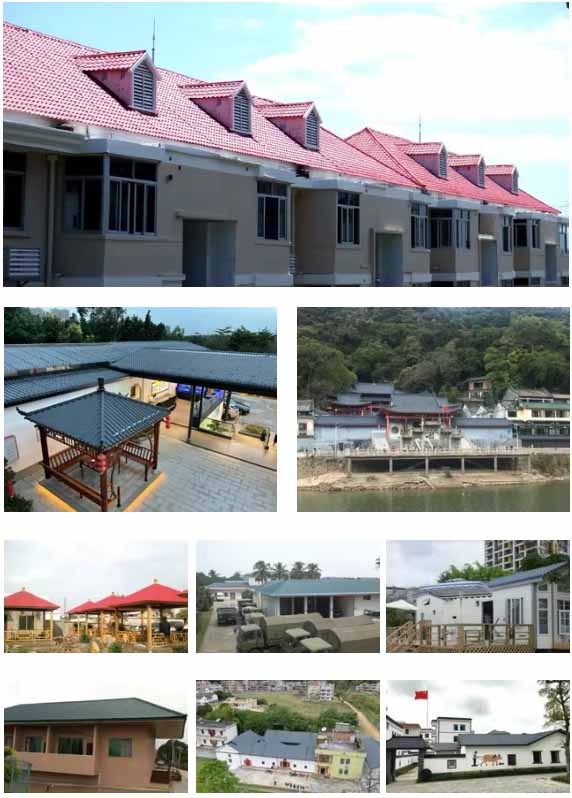
Conversely, installations using premium-grade materials from certified manufacturers tell a different story. Consider documented cases from Henan and Zhejiang provinces, where roofs installed with high-quality synthetic tiles over a decade ago remain in excellent condition. These tiles retain their vibrant color (with color shift ΔE < 5), demonstrate remarkable韧性 (surviving hailstorms unscathed), and maintain completely watertight seals. The confidence behind such performance is often backed by substantial warranties—some up to 35 years—and even unique guarantees against hail damage, supported by comprehensive insurance from providers like PICC. This stark contrast highlights a critical truth: the problem isn't synthetic roofing as a concept; it's the proliferation of substandard products that has eroded market trust.
Conversely, installations using premium-grade materials from certified manufacturers tell a different story. Consider documented cases from Henan and Zhejiang provinces, where roofs installed with high-quality synthetic tiles over a decade ago remain in excellent condition. These tiles retain their vibrant color (with color shift ΔE < 5), demonstrate remarkable韧性 (surviving hailstorms unscathed), and maintain completely watertight seals. The confidence behind such performance is often backed by substantial warranties—some up to 35 years—and even unique guarantees against hail damage, supported by comprehensive insurance from providers like PICC. This stark contrast highlights a critical truth: the problem isn't synthetic roofing as a concept; it's the proliferation of substandard products that has eroded market trust.
The Unmatched Advantages of Premium ASA PVC Roofing Systems
When manufactured to the highest standards, ASA UPVC roofing sheet systems offer a combination of benefits that traditional materials struggle to match, making them an intelligent choice for wholesalers and contractors to recommend.
- Minimal Structural Load: At only 4-6 kg per square meter (approximately 1/4 the weight of color steel sheets and 1/10 of ceramic tiles), these tiles exert negligible pressure on supporting structures. This makes them ideal for retrofitting old buildings, heritage restoration projects, and new lightweight constructions without requiring significant reinforcement.
- Environmental Sustainability: The production of premium ASA PVC tiles has a significantly lower environmental footprint compared to alternatives. They generate only 50% of the carbon emissions of ceramic tile production and 30% lower PM2.5 emissions than stone-coated metal. With high recyclability rates (up to 80%) and low VOC emissions, they are increasingly specified in government-backed green building initiatives.
- Enhanced Safety: Quality tiles achieve a B1 fire-resistance rating, meaning they are difficult to ignite and will self-extinguish when the flame source is removed, meeting stringent safety requirements for residential and commercial buildings.
2. Exceptional Weather and Chemical Resistance
Premium ASA PVC roof sheet products are engineered to withstand harsh environments. Rigorous testing involves immersing samples in concentrated acid, alkali, and salt solutions for 72 hours—simulating conditions far worse than typical acid rain, coastal salt spray, or industrial pollution. High-quality sheets show no blistering, cracking, peeling, or significant discoloration, proving their suitability for chemical plants, coastal properties, and areas with severe industrial emissions.
3. Installation Efficiency and Cost-Effectiveness
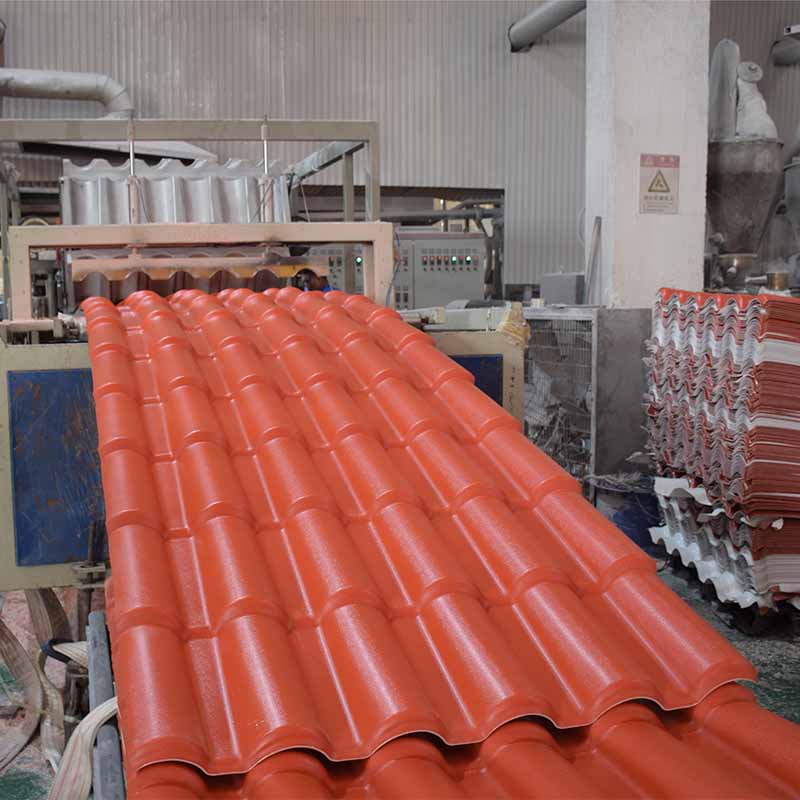
The modular design of ASA Synthetic Resin Roof Tiles allows for rapid, "Lego-like" installation. Panels are custom-cut to length off-site, arriving ready for immediate assembly. A skilled crew can often complete an installation in a single day, drastically reducing labor costs and eliminating the delays and coordination errors common in multi-trade, multi-stage roofing projects.
4. Design Versatility and Aesthetic Flexibility
Modern manufacturing allows for incredible design freedom:
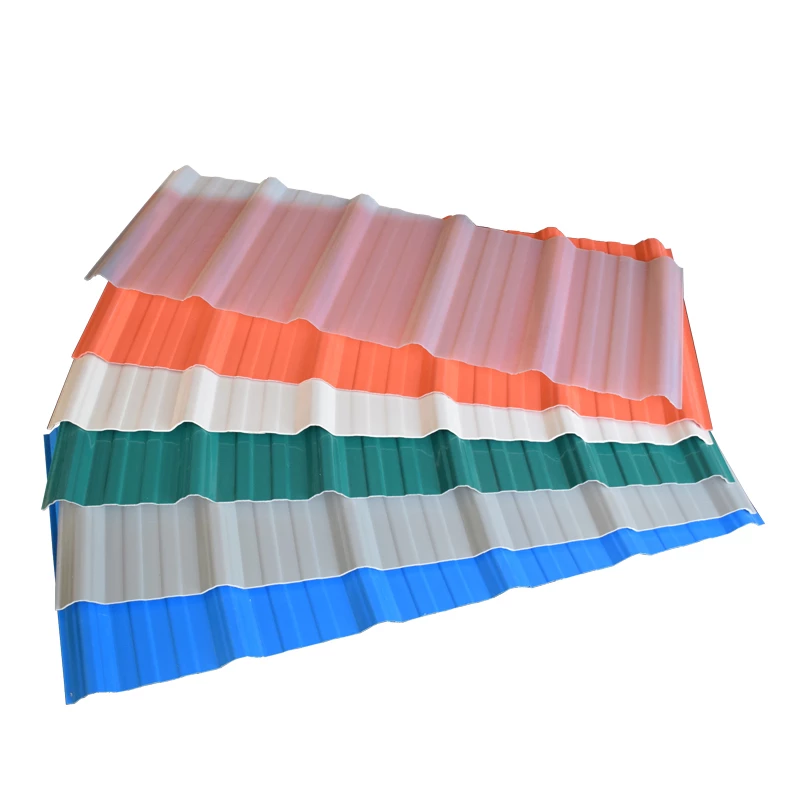
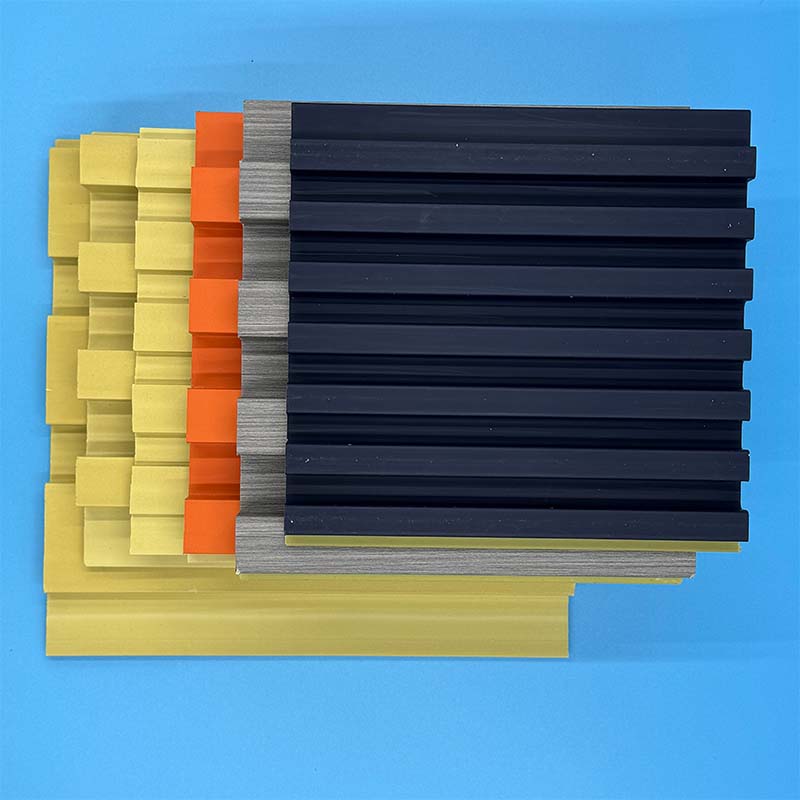
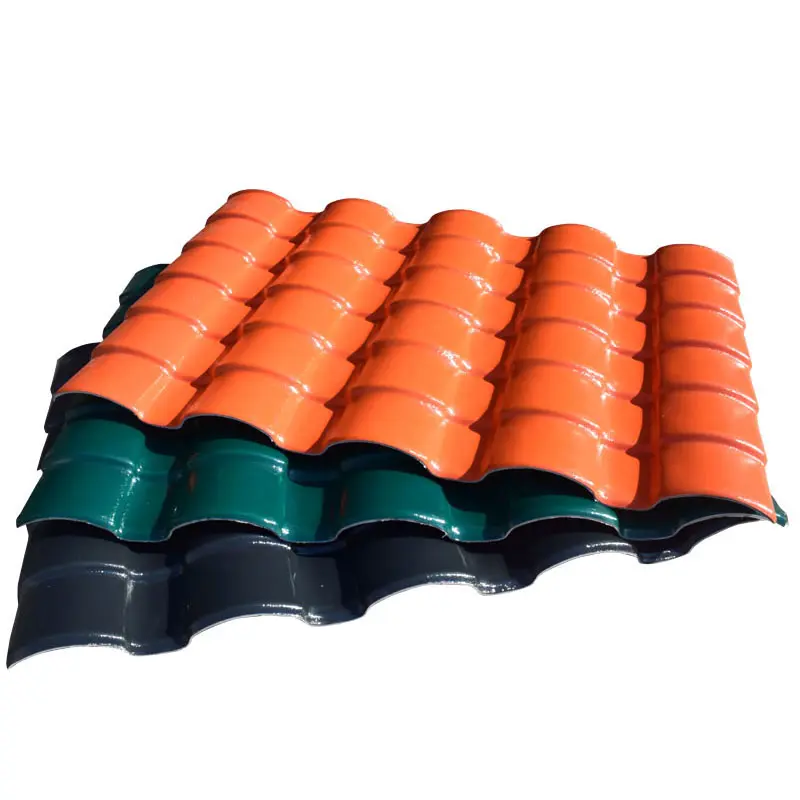
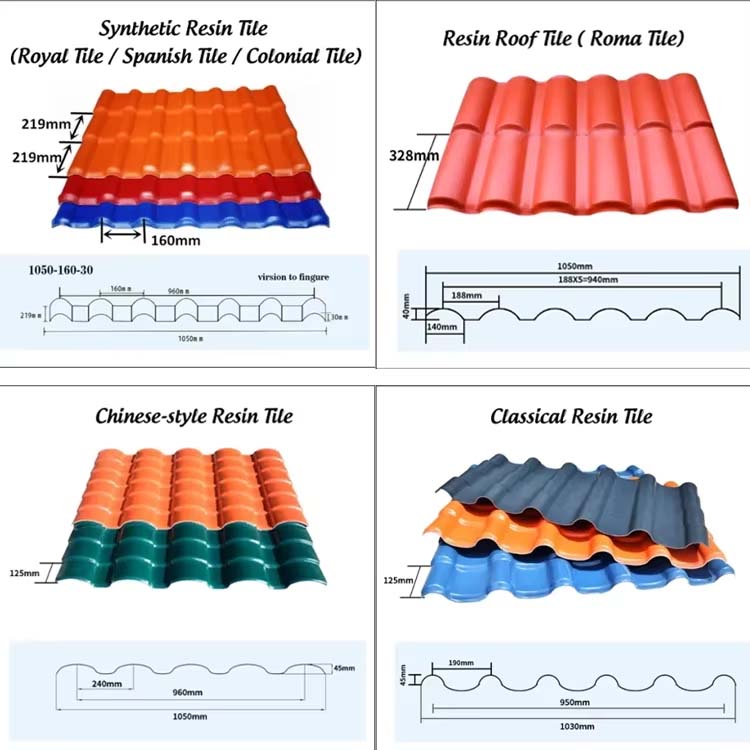
- Profiles: Options include standard synthetic tiles, classical profiles, small-curve "Qing" tiles, and Roman styles, suitable for everything from minimalist modern designs to traditional Chinese or European architecture.
- Colors & Finishes: The use of an ASA cap-stock layer enables a vast color palette—from standard grays, blues, and reds to custom shades like Tiffany Blue or Burgundy. Textures (fine or coarse grain) can be customized via extrusion molds, affecting hydrophobics, light reflection, and the tile's three-dimensional character.
Navigating Quality and Pricing: A Guide for Professionals
For distributors and contractors, understanding the market's price and quality spectrum is key to making informed recommendations and protecting your reputation.
- Pricing Reference Table (2025 Market)
Brand Tier | Recommended Thickness (Residential) | Material Price (per m²) | Installed Price Reference (per m²) |
Standard Quality (e.g., SY/UNIKO Standard Line) | 2.5 mm (Standard) | $4 - $6 | $11 - $16 |
Premium Quality (e.g., SY/UNIKO Premium Line) | 3.0 mm (Optimal) | $6 - $9 | $16 - $20 |
Budget/Unbranded | Often < 2.0 mm | $1.5 - $3 | — (High risk of failure) |
Conclusion: Making an Informed Choice for Your Clients
The narrative is clear: ASA PVC and synthetic resin roofing are not inherently flawed; poor-quality iterations are. As industry veterans and contributors to national standards have emphasized, this material category—when produced correctly—offers a lightweight, safe, durable, and environmentally sound roofing solution that has been proven in global markets for over two decades.
The key for building material professionals is partnering with credible manufacturers. Choose partners like SY/UNIKO Roof, who are committed to transparency, use certified virgin materials, employ advanced manufacturing processes, and stand behind their products with meaningful warranties. By doing so, you move beyond the market's confusion, offering your clients a reliable, high-performance roofing solution that will protect their investments for decades to come.
The key for building material professionals is partnering with credible manufacturers. Choose partners like SY/UNIKO Roof, who are committed to transparency, use certified virgin materials, employ advanced manufacturing processes, and stand behind their products with meaningful warranties. By doing so, you move beyond the market's confusion, offering your clients a reliable, high-performance roofing solution that will protect their investments for decades to come.
 Why Are ASA PVC Synthetic Resin Roofing Sheets Becoming Increasingly Popular in Indian Climatic Conditions?