+86 13924808361
 sales01@syrooftile.com



 Home
HomeStop Using Just Galvanized Steel Sheets! ASA+PVC Roofing Tiles Might Be Your Best Roof Upgrade.
 Jun 04,2026

 Shenyu
Stop Using Just Galvanized Steel Sheets! ASA+PVC Roofing Tiles Might Be Your Best Roof Upgrade.
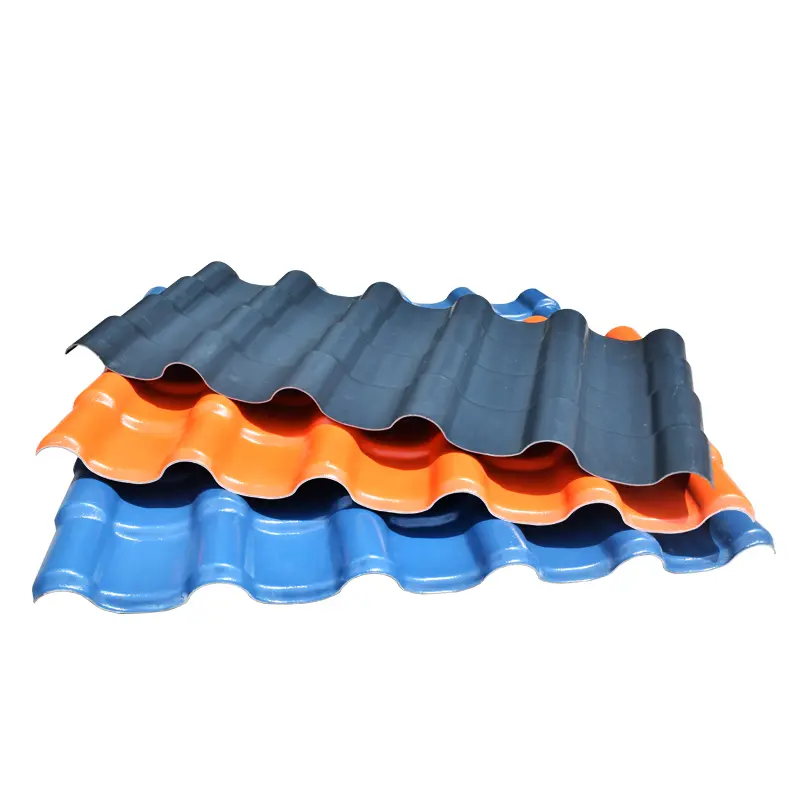
When renovating a self-built house, converting a flat roof to a pitched roof on an old bungalow, or building a sunroom or carport, choosing the right roofing material can be a headache. Traditional color-coated steel sheets are cheap, but they are noisy during rain, start rusting and fading after a few years, and turn your space into an oven in summer. On the other hand, traditional clay tiles are beautiful but heavy, require high load-bearing capacity from your roof structure, and are prone to cracking and leaking.
Is there no material that is lightweight, durable, provides insulation and soundproofing, and is also corrosion-resistant?
The answer is yes. It is the ASA+PVC synthetic roofing tile, which is currently very popular in the building materials market.
What is an ASA+PVC Roofing Tile? A "Tech Sandwich" Structure
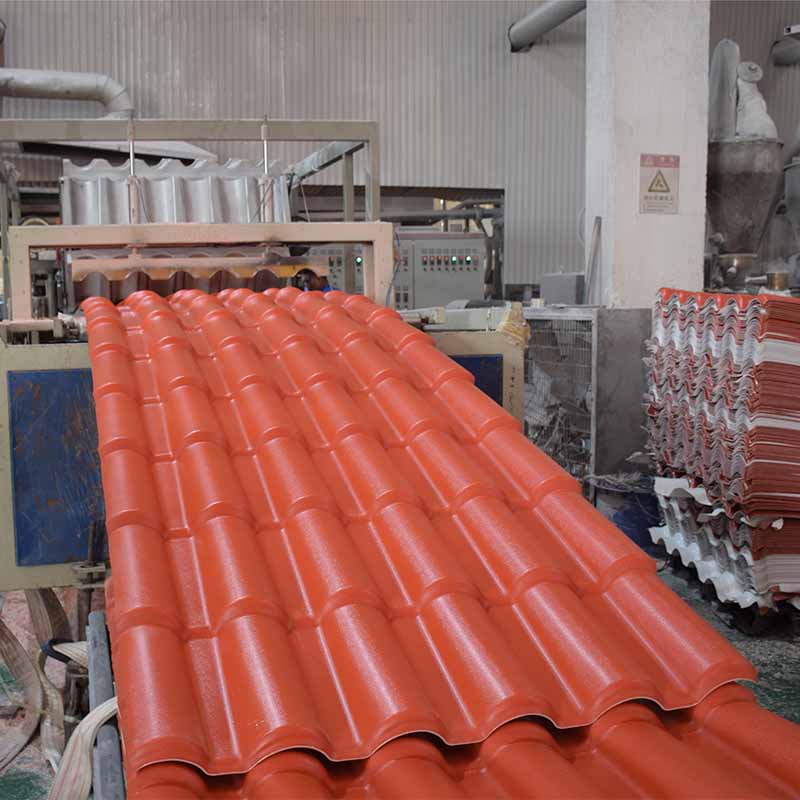
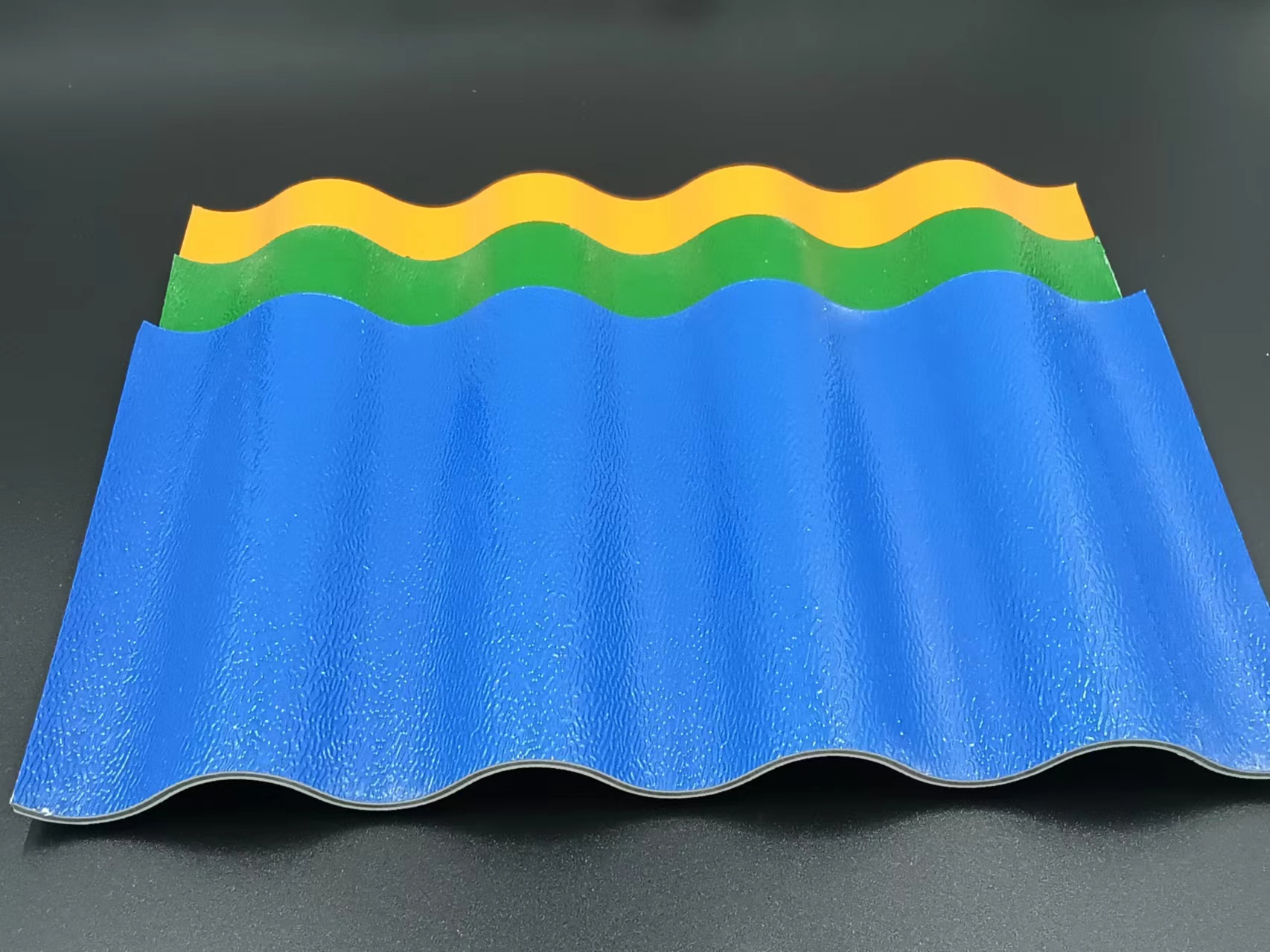
Many people might hear this name for the first time and find it a bit of a mouthful. But it’s not just a simple plastic tile. It’s a high-performance polymer building material manufactured using advanced co-extrusion technology.
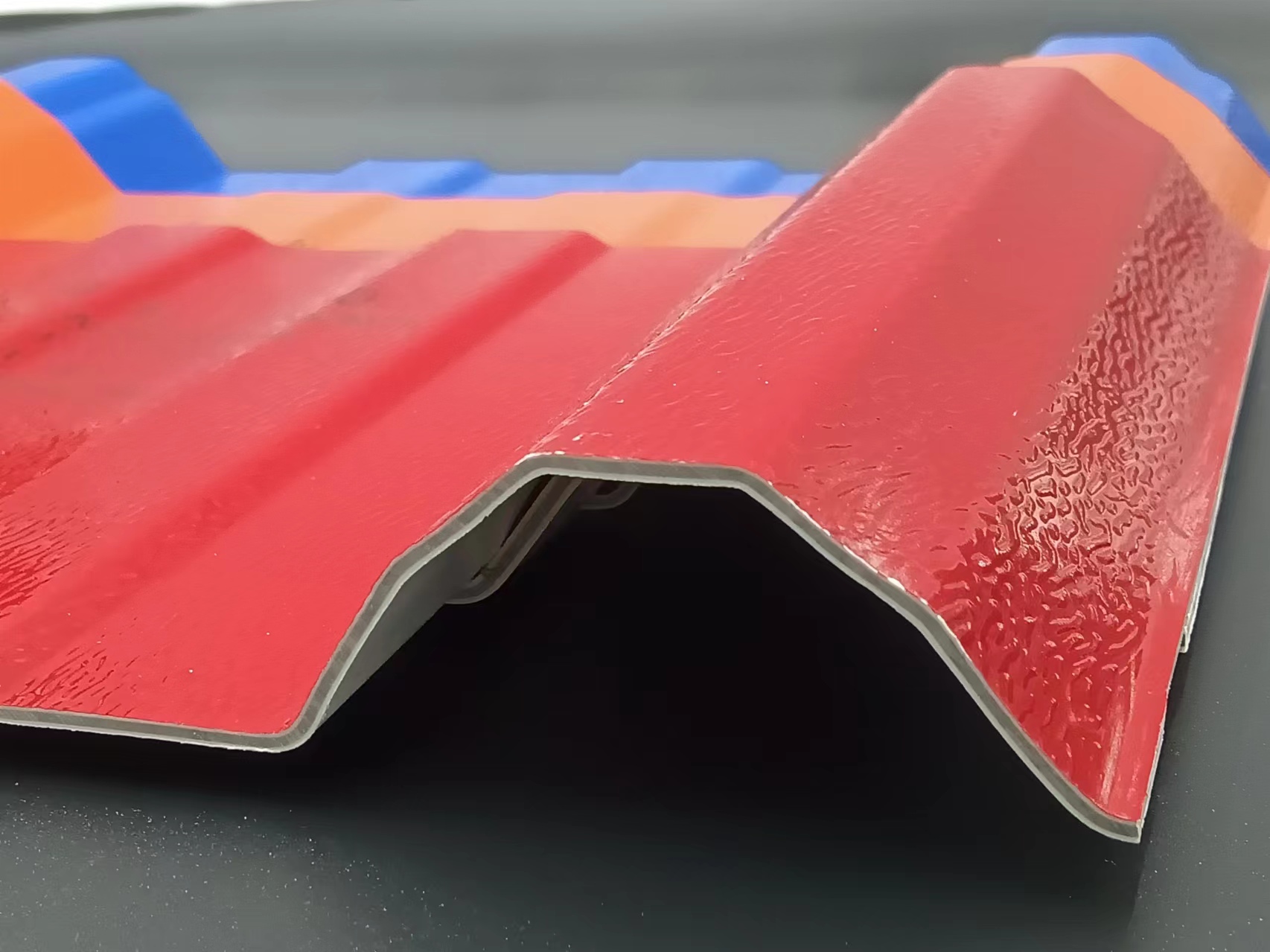
Simply put, its structure is like a sandwich:
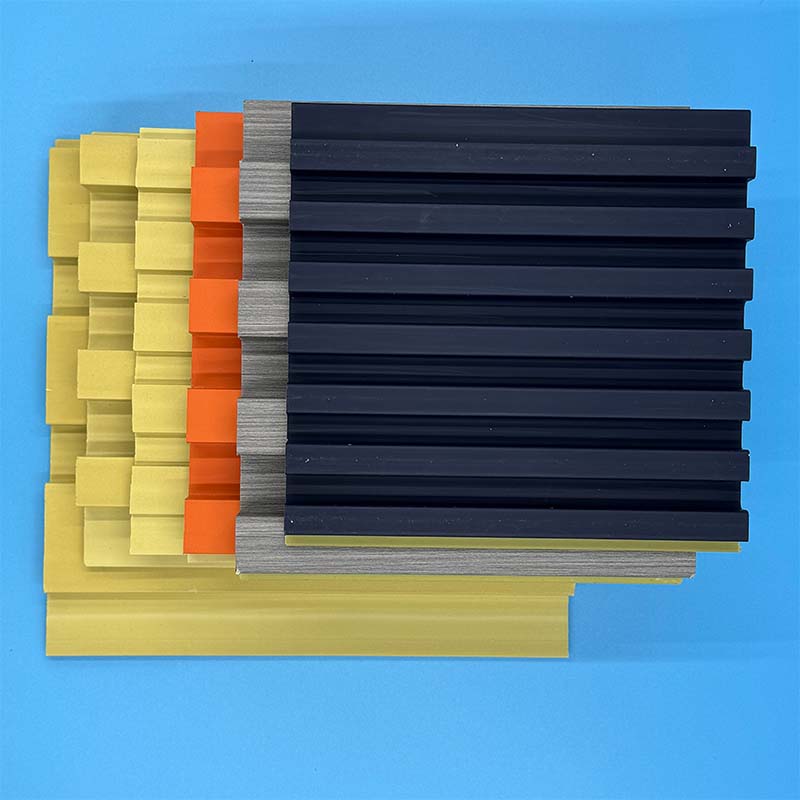
Top Layer (ASA Layer): This is the core technology of the tile. ASA is an ultra-durable engineering plastic that offers excellent UV resistance, preventing the tile from fading and aging. It also resists corrosion from acid rain and salt spray.
Bottom Layer (PVC Layer): This provides superb impact resistance and flexibility, preventing the tile from deforming. Insulating materials added to the formula significantly lower the thermal conductivity.
Why Should You Recommend Resin Tiles? These 4 Advantages Are Too Significant to Ignore.
1. Excellent Weather Resistance & Color Retention
Old plastic tiles often fade and become brittle after just 2-3 years of sun exposure. ASA resin tiles are different. The ASA top layer effectively blocks UV damage. High-quality products can maintain color stability for over 10 years, with some manufacturers even offering a 30-year lifespan guarantee. Whether it's coastal salt spray corrosion or industrial acid rain, these tiles can handle it.
2. "Cool in Summer, Warm in Winter" is Not Just a Dream
This is the most significant advantage resin tiles have over galvanized steel. The thermal conductivity of resin itself is very low (about 0.22 W/(m·K)), much lower than metal. Simply put: it doesn't get scorching hot in summer, and cold doesn't penetrate easily in winter. Real-world tests show it can lower roof temperatures by about 40% compared to steel sheets. For those living on top floors or in bungalows, this translates to significant savings on air conditioning bills.
3. Excellent Soundproofing Performance
If you're tired of the "pitter-patter" sound of rain on a steel sheet roof, this is the choice for you. Resin tiles have good damping and soundproofing properties. They can reduce noise by approximately 30-40 decibels. During a rainstorm, you'll hear a soft, muffled sound inside, not a loud, metallic clatter.
4. Safe and Easy to Install
Lightweight: Weighs only 3.5 - 6.5 kg per square meter. This is significantly lighter than traditional ceramic tiles, effectively reducing the load on the main roof beams.
High Strength: Despite being lightweight, its load-bearing capacity is impressive. A 1 kg steel ball dropped from a height of 3 meters will not crack the tile.
Fire Resistance: Achieves a B1 fire rating (difficult to ignite, self-extinguishing), meeting building safety regulations.
Where Can It Be Used? Very Wide Range of Applications
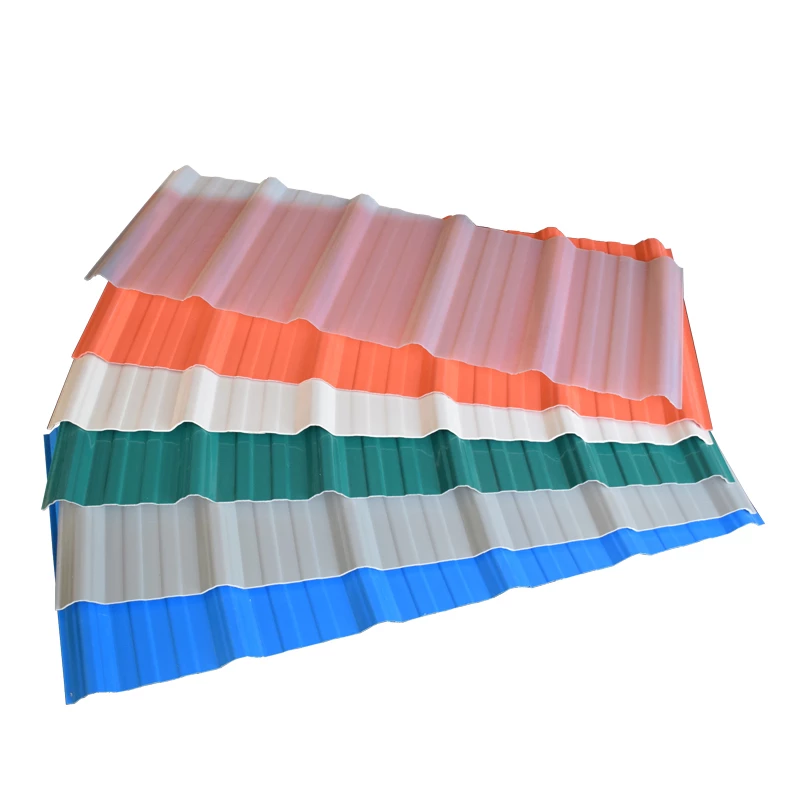
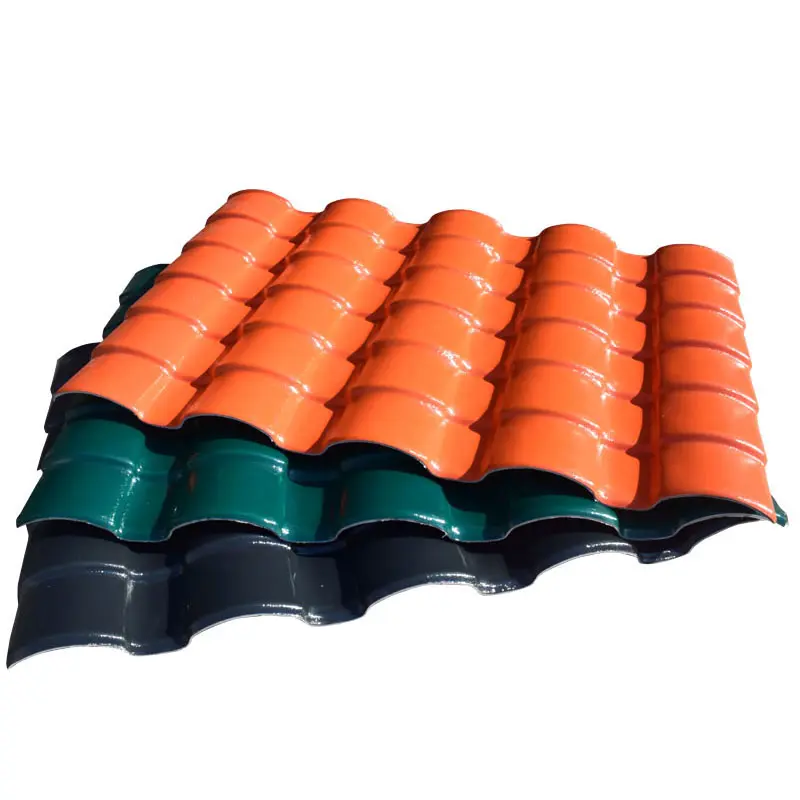
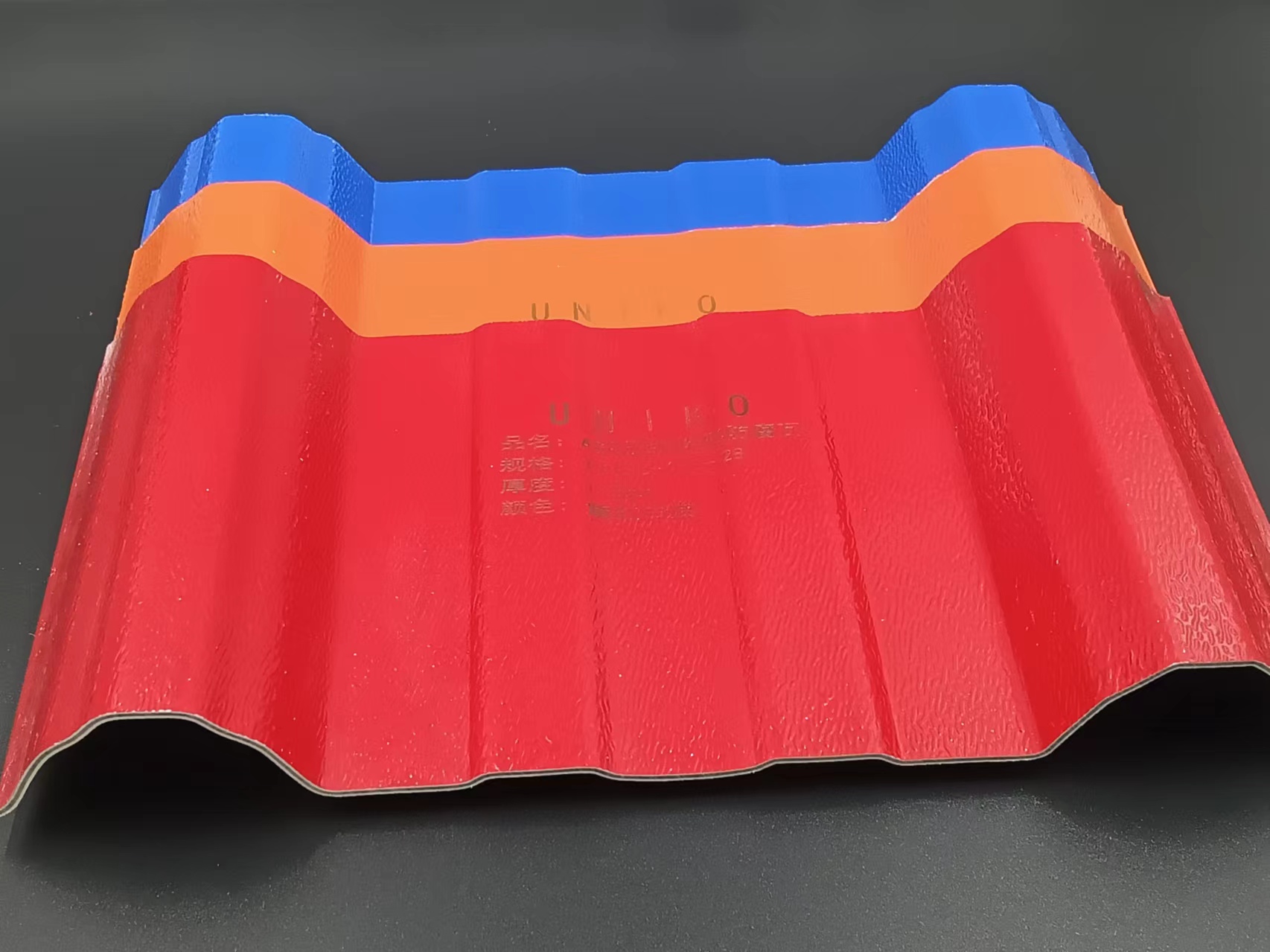
These tiles come in various profiles, commonly corrugated and Spanish S-shaped (imitating traditional glazed tile styles), offering both a modern and aesthetically pleasing look.
Rural Self-built Houses / Villas: Combine the beautiful appearance of traditional glazed tiles with the practicality of modern materials. Particularly excellent for flat-to-pitched roof conversions, building a frame directly over an old flat roof and laying these tiles for excellent insulation and waterproofing.
Factories / Warehouses: The corrosion resistance and fire-retardant properties make them an excellent choice for chemical plants or industrial buildings in coastal areas.
Garden Structures / Pavilions / Carports: For building a traditional-style gazebo or carport, the antique style of these tiles, combined with their non-corrosive nature, makes them more durable than wood or metal.
Buyer's Guide: 3 Tips to Avoid Pitfalls
The quality of resin tiles on the market varies greatly. Low-quality resin tiles become brittle and crack within two years. How to choose a good one?
Check the Thickness: For home use, choose 2.5mm or 3.0mm thickness. Thinner tiles are more likely to crack during installation and offer poor hail resistance.
Inspect the Surface Layer: A good ASA tile has a co-extruded ASA surface that looks plush, lustrous like porcelain, and won't turn white when bent forcefully.
Feel the Weight: A truly high-quality resin tile, while lightweight, should feel solid and dense. If it feels unusually light and brittle in your hand, it's likely made from recycled materials – avoid it.
 PVC Roof Sheet: The Ultimate Cost-Effective Roofing Solution for All Buildings in 2026