+86 13924808361
 sales01@syrooftile.com



 Home
HomeUltimate Guide to UPVC Roof Tiles: The Superior PVC Roofing Solution for Southeast Asia's Construction Industry
 Jan 14,2026

 Shenyu
In Southeast Asia's demanding construction landscape, characterized by extreme heat, heavy monsoons, and intense UV radiation, selecting the right roofing material is not just a choice—it's a critical business decision. Traditional roofing materials often fail under this climatic onslaught, resulting in increased maintenance costs and compromised building integrity. For B2B buyers—including building wholesalers, distributors, and traders—the shift is towards innovative, high-performance solutions. Leading this revolution are UPVC Roof Tiles, also commonly referred to as PVC roofing sheets or PVC roof tile sheets.
Understanding the Southeast Asian Roofing Challenge and Opportunity
The construction boom across Southeast Asia, from Thailand's industrial estates to Vietnam's urban developments, brings immense opportunity alongside significant challenges. The tropical climate acts as a relentless testing ground for building materials. Key pain points for procurement professionals include:
- Rapid Material Degradation: Constant exposure to UV rays causes fading, brittleness, and loss of structural strength in many conventional materials.
- Water Infiltration and Leaks: Torrential rains test the limits of waterproofing, leading to leaks, mold growth, and interior damage.
- High Thermal Load: Intense sun heats up buildings, drastically increasing energy costs for cooling.
- Corrosion in Coastal Areas: Salt-laden air in coastal regions accelerates the corrosion of metal roofs.
- Logistical and Installation Burdens: Heavy materials increase shipping costs, require more labor, and slow down project timelines.
This environment has catalyzed demand for a roofing material that is resilient, lightweight, and thermally efficient. UPVC Roof Tiles have emerged as the definitive answer, combining advanced polymer technology with practical design to address these core issues head-on.
Why UPVC Roof Tiles Outperform Traditional Roofing Materials
1. Exceptional Weather Resistance and Long-Term Durability
Unlike traditional clay or concrete tiles that can crack, or metal sheets that corrode, UPVC roof tiles are engineered for longevity. The Unplasticized Polyvinyl Chloride (UPVC) formulation provides inherent resistance to UV radiation, preventing the chalking, fading, and embrittlement common in other plastics. SY/Uniko Roof's tiles are designed to withstand temperature extremes, from scorching heat to heavy downpours, without warping, cracking, or losing their protective properties. This translates to a longer lifecycle, reduced replacement frequency, and higher customer satisfaction for your B2B clients.
2. Superior Waterproofing and Corrosion Resistance
A roof's primary function is to shed water. PVC roofing sheets from SY/Uniko Roof offer a seamless, non-porous barrier against moisture. Their interlocking design and robust installation systems ensure water is effectively channeled away, eliminating leaks. Furthermore, UPVC is completely inert to rust and corrosion. It resists damage from acid rain, industrial pollutants, and salty coastal air, making PVC roof tile sheets an ideal choice for projects across diverse Southeast Asian environments, from industrial zones to beachfront properties.
3. Remarkable Thermal Insulation for Energy Savings
The "urban heat island" effect is a major concern. UPVC Roof Tiles have a low thermal conductivity, meaning they act as an effective insulator. They reflect a significant portion of solar radiation and slow heat transfer into the building. This can lead to a substantially cooler interior, reducing the load on air conditioning systems by up to 15-30%. For builders and developers marketing "green" or cost-efficient buildings, this thermal performance is a powerful selling point and a direct contributor to lower operational costs for end-users.
4. Lightweight Design for Efficiency and Cost Contr
This is a major advantage for the entire supply chain. PVC roof tile sheets are significantly lighter than concrete, clay, or even metal tiles. This lightness yields multiple benefits:
- Logistics: Lower shipping and handling costs per square meter.
- Storage: Easier and safer warehouse management for wholesalers.
- Installation: Faster, simpler installation requiring less specialized labor and minimal heavy equipment. Projects complete faster, improving cash flow for contractors.
- Structural Savings: Reduced dead load on the building structure can allow for lighter (and less expensive) supporting frameworks.
5. Aesthetic Versatility and Low Maintenance
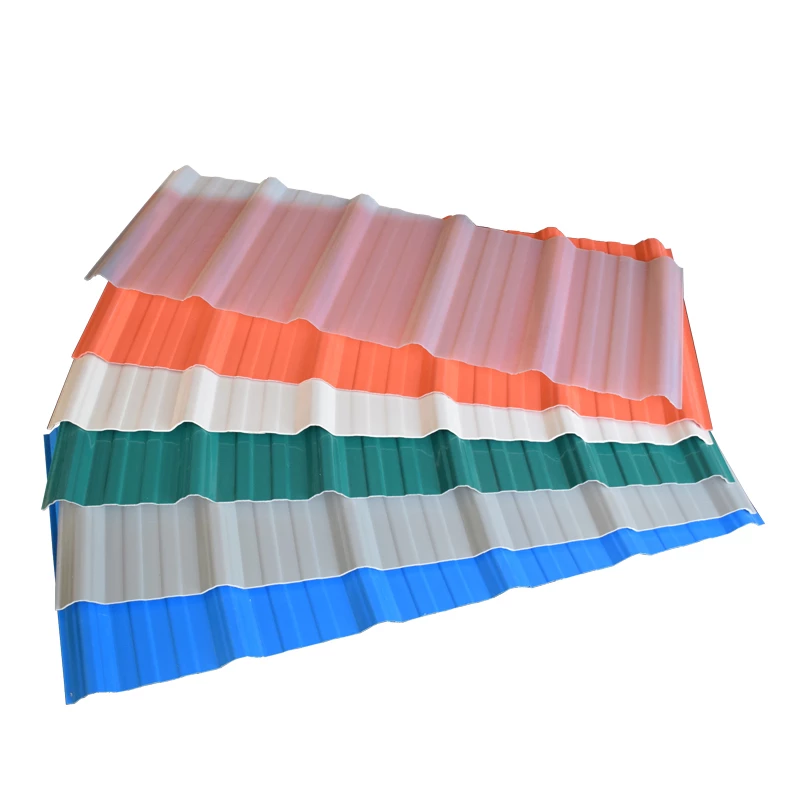
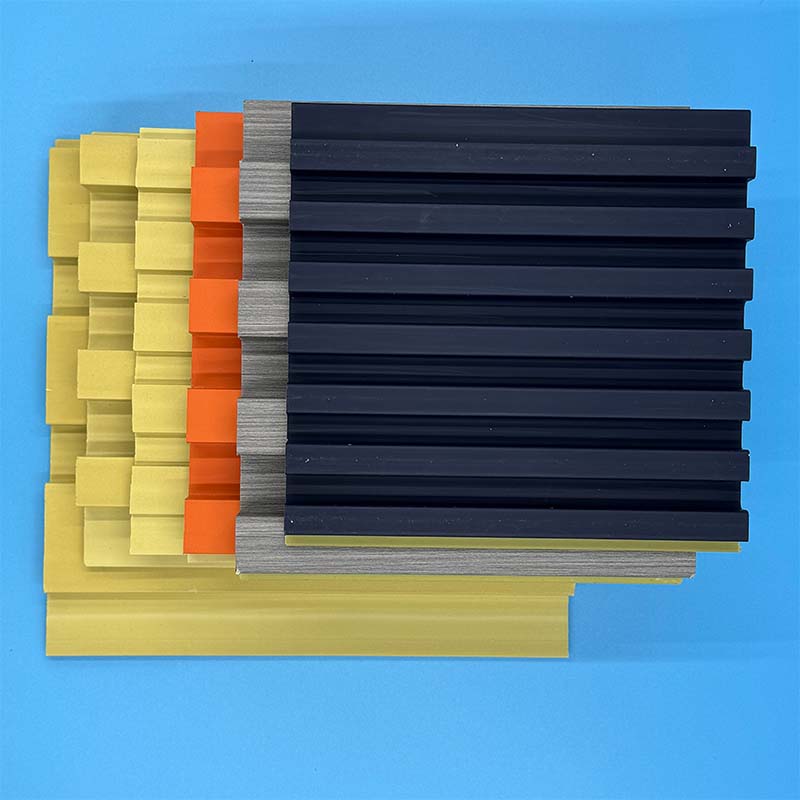
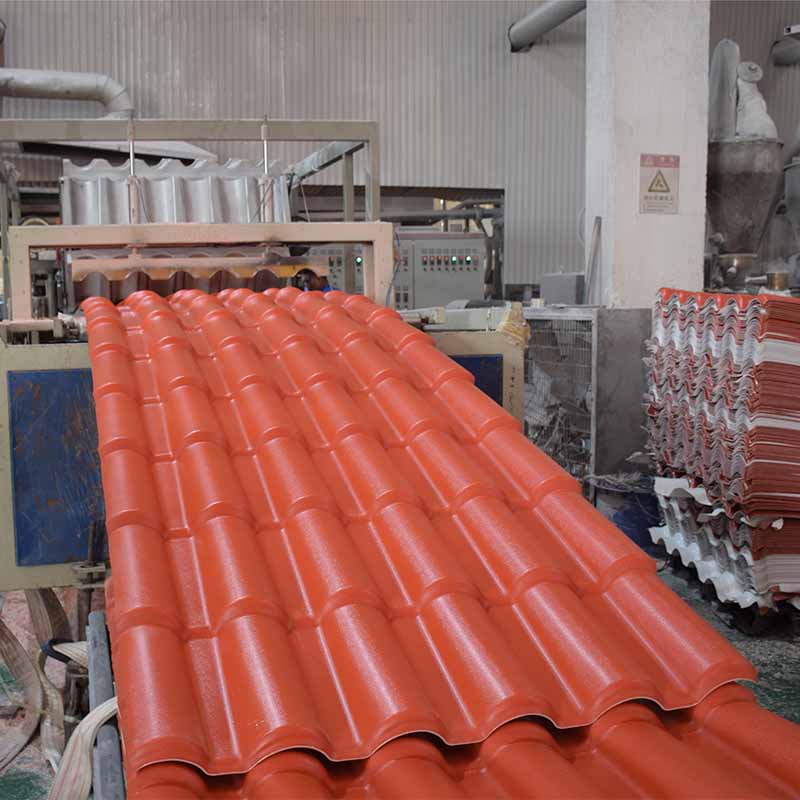
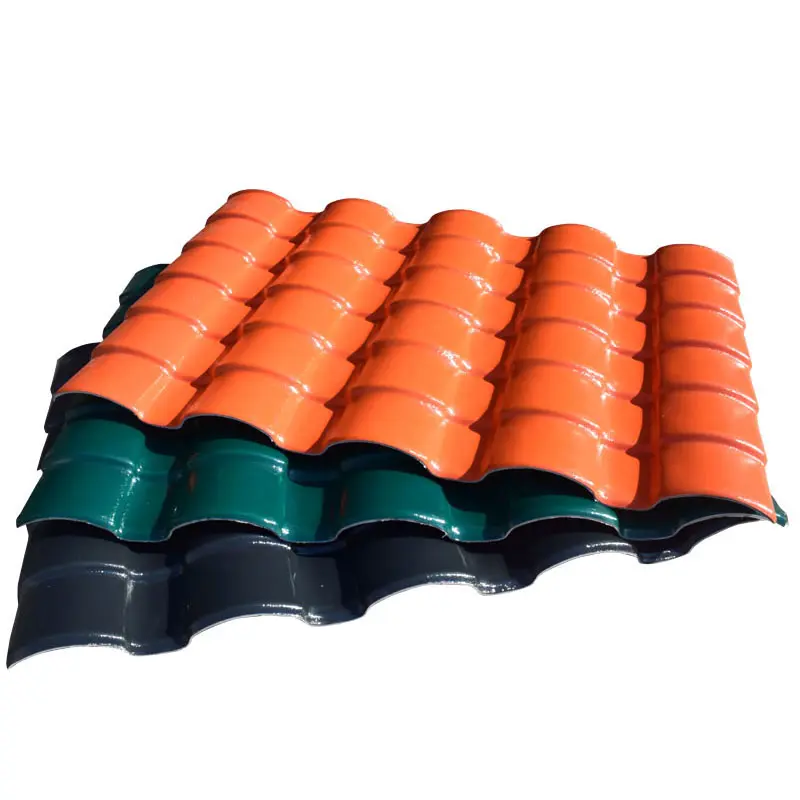
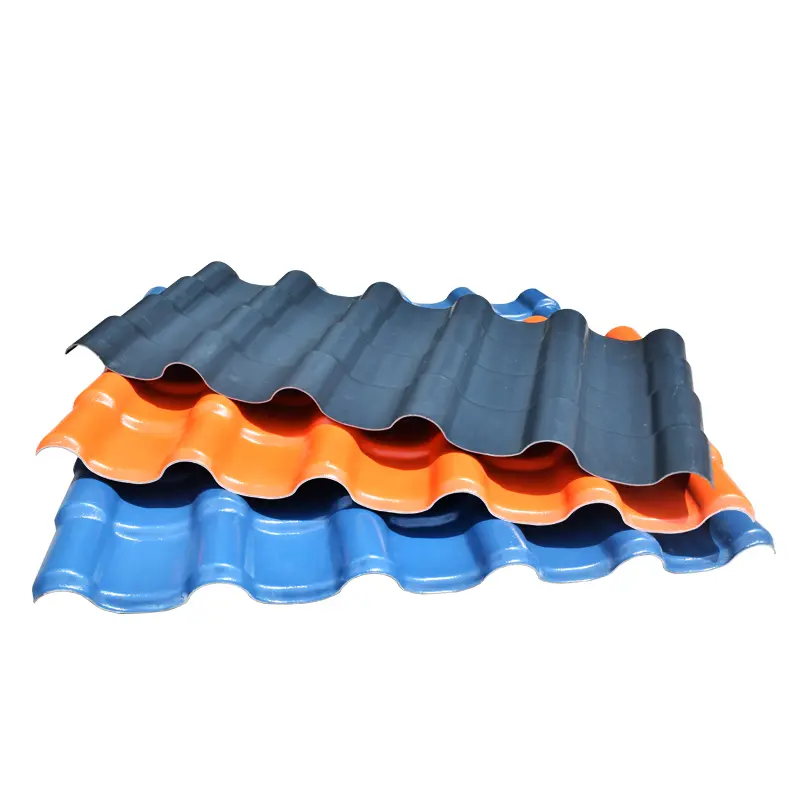
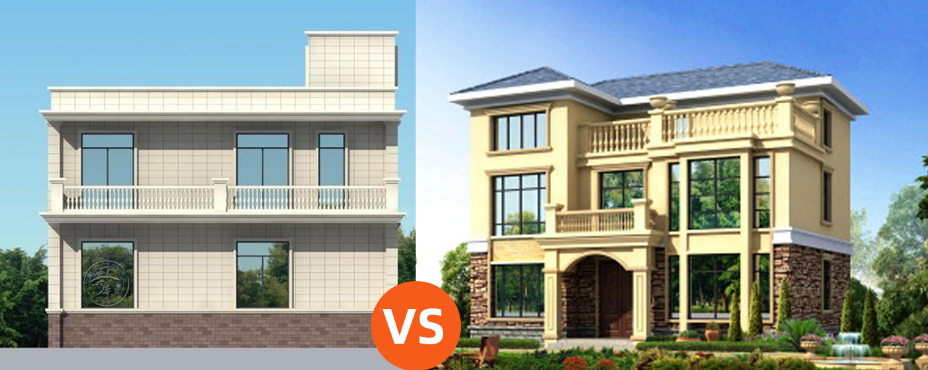
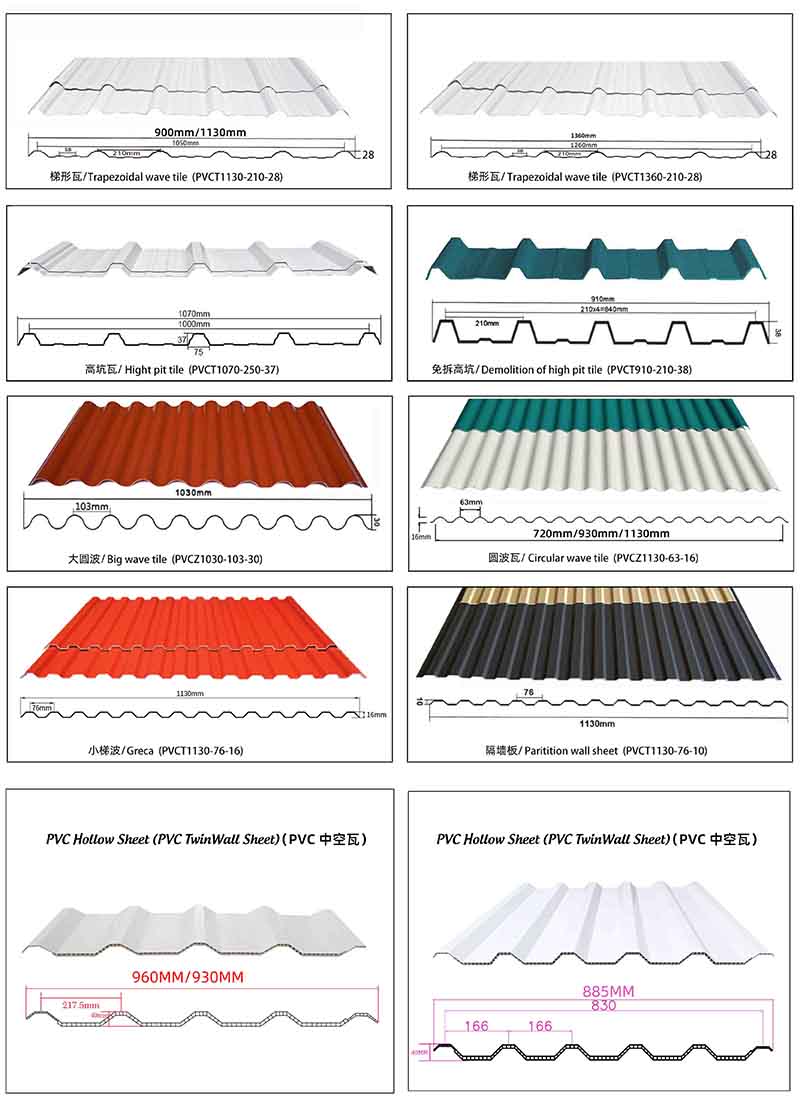
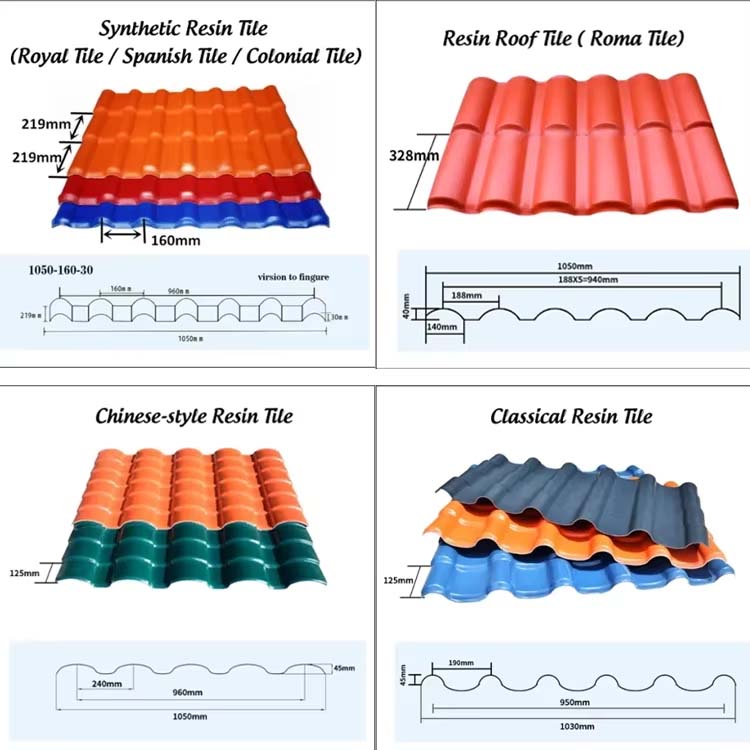
SY/Uniko Roof offers UPVC Roof Tiles in a wide range of colors, profiles, and finishes—from classic terracotta looks to modern slate styles. This aesthetic flexibility allows architects and builders to meet diverse design requirements without sacrificing performance. Once installed, these tiles require minimal upkeep. Their smooth surface discourages algae and dirt accumulation, and they are easy to clean, maintaining their aesthetic appeal for years with little effort.
Applications of UPVC Roofing Sheets Across Southeast Asia
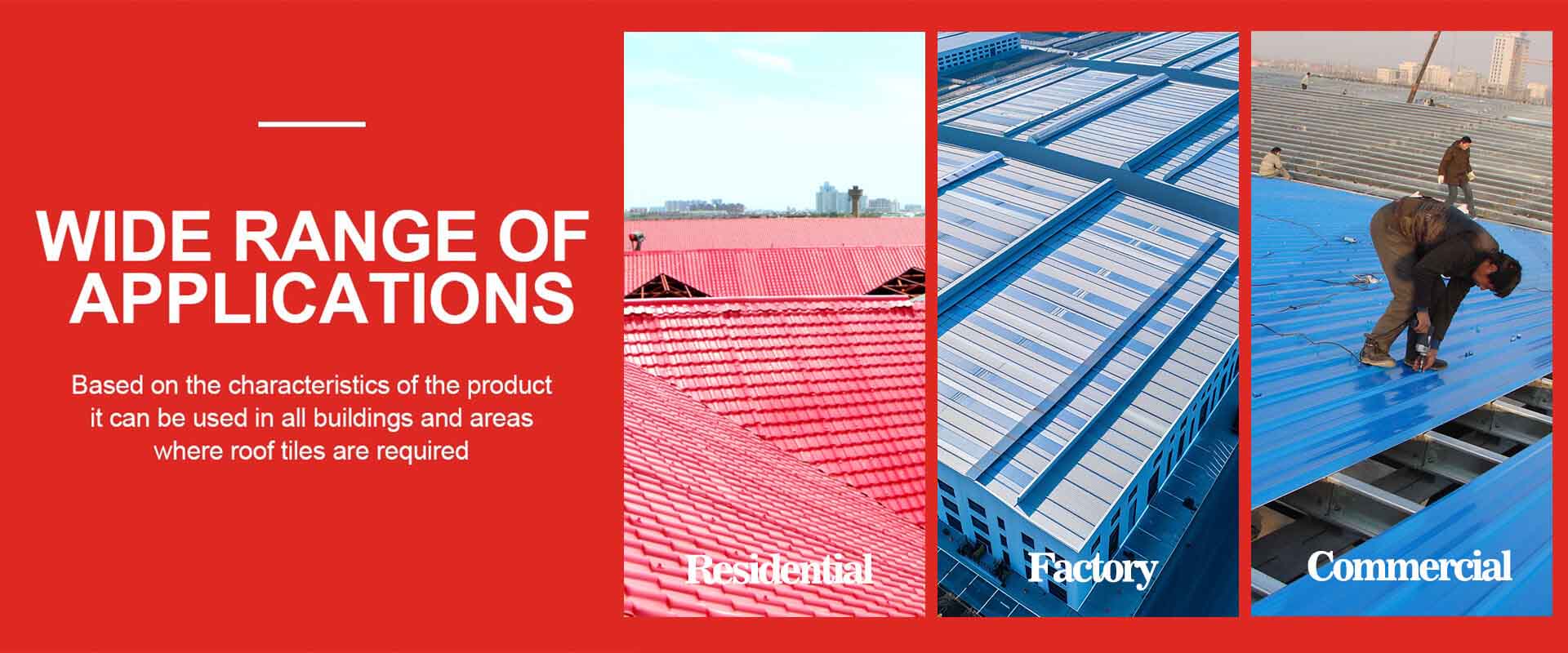
The versatility of UPVC Roof Tiles makes them suitable for a vast array of B2B roofing projects:
- Large-Scale Commercial & Industrial: Warehouses, factories, logistics parks, and shopping malls benefit from the quick installation, wide spans, and long-term durability, keeping maintenance teams focused on operations, not roof repairs.
- Residential Development: From affordable housing projects to luxury villas, PVC roofing sheets offer developers a reliable, attractive, and cost-controlled roofing solution that appeals to homebuyers concerned about comfort and utility bills.
- Public & Institutional Buildings: Schools, hospitals, and government buildings require safe, durable, and low-maintenance materials. The fire-retardant grades, acoustic insulation, and proven longevity of UPVC make it a responsible choice for public infrastructure.
- Renovation & Retrofitting: The lightweight nature of PVC roof tile sheets makes them perfect for reroofing existing structures without the need for extensive structural reinforcement.
SY/Uniko Roof: Your Trusted Factory for High-Performance PVC Roofing
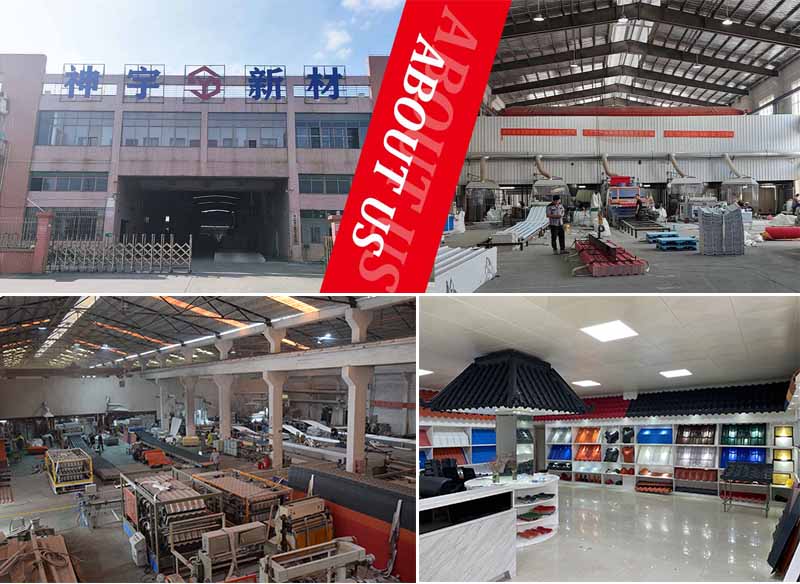
Choosing a reliable manufacturer is as crucial as choosing the right material. SY/Uniko Roof stands out as an ideal partner for building wholesalers and traders in Southeast Asia:
- Quality Certified: Our production processes and UPVC Roof Tiles meet stringent international standards (ISO, CE, etc.), ensuring consistent quality and performance you can rely on.
- B2B Focused: We understand the needs of distributors and wholesalers, offering flexible MOQs, competitive pricing, and reliable bulk supply to keep your inventory moving.
- Comprehensive Support: We provide more than just products. Our package includes technical datasheets, installation guides, marketing collateral, and after-sales support to help you serve your customers better.
- Supply Chain Stability: With robust manufacturing capabilities and efficient logistics, we ensure timely delivery, helping you meet your project deadlines and capitalize on market opportunities.
Conclusion: The Future of Roofing is UPVC
For forward-thinking building wholesalers, distributors, and traders in Southeast Asia, aligning with the UPVC Roof Tile trend is a strategic move. This material directly addresses the region's climatic challenges while delivering tangible benefits in installation efficiency, life-cycle cost savings, and environmental performance.
By partnering with a reputable UPVC roofing sheets manufacturer like SY/Uniko Roof, you equip your business with a premium product line that meets the evolving demands of developers, contractors, and architects. UPVC roofing sheets are not just a product; they are a high-value solution that builds stronger, cooler, and more durable buildings—and stronger, more profitable business relationships.
By partnering with a reputable UPVC roofing sheets manufacturer like SY/Uniko Roof, you equip your business with a premium product line that meets the evolving demands of developers, contractors, and architects. UPVC roofing sheets are not just a product; they are a high-value solution that builds stronger, cooler, and more durable buildings—and stronger, more profitable business relationships.
FAQs: The Superior PVC Roofing Solution for Southeast Asia's Construction Industry
Q1: How can we verify the claimed long service life of UPVC tiles in Southeast Asia's climate?
Our product promises are backed by rigorous scientific testing. SY/Uniko Roof's UPVC roofing tiles have undergone QUV accelerated aging tests, which simulate exposure to intense UV radiation, high temperatures, and humidity equivalent to 10 years. The results show minimal color change (ΔE) and excellent stability in physical properties. Additionally, international certifications such as CE include strict assessments for durability and weather resistance. We offer a 10-year quality guarantee to support our commitment to a service life exceeding 25 years.
Q2: How do lightweight UPVC tiles ensure wind resistance in typhoon-prone areas?
Wind resistance relies on a scientifically designed fixing system, not merely on material weight. Our PVC roofing sheets feature a patented mechanical fastening system, where each tile is securely connected to the roof structure via concealed professional clips, forming an integrated wind-resistant unit. This system has passed rigorous testing and can withstand wind loads equivalent to typhoon forces with speeds exceeding 200 km/h. We provide detailed wind-resistant installation guidelines to ensure proper construction practices.
Q3: Compared to traditional color steel sheets, how much actual energy-saving benefit does the thermal insulation of UPVC tiles provide?
Thanks to the extremely low thermal conductivity of UPVC materials, buildings using our tiles experience an average interior surface temperature reduction of 10-15°C compared to those with color steel sheets. Based on project measurements and thermal calculations, this typically translates to a reduction of approximately 20-30% in air conditioning cooling loads. For specific large-scale projects, we can provide an energy-saving potential analysis report based on local climate data.
Q4: How does the corrosion resistance of UPVC tiles perform in coastal high-salt environments? What advantages do they have over galvanized steel sheets?
UPVC materials are inherently chemically inert, completely eliminating electrochemical corrosion—a fundamental advantage unattainable with metal materials. In standard salt spray tests, metal coatings exhibit rust, while our PVC roofing tile surfaces remain intact. In real coastal environments, the product's lifespan is unaffected by salt erosion, eliminating the need for periodic anti-corrosion maintenance required for galvanized steel sheets (with a theoretical lifespan of 15-25 years).
Q5: What exactly does "low maintenance" mean for UPVC tiles? Is regular cleaning or repainting required?
Almost no active maintenance is needed. The surface of UPVC tiles is dense, smooth, and hydrophobic, making it resistant to dust and algae buildup. Routine cleaning is achieved naturally through rainwater, unlike metal tiles that require regular coating inspections and repainting. Even in heavily polluted industrial areas, only occasional low-pressure water rinsing every few years is sufficient to restore their appearance—no repainting is ever required.
Q6: For contractors, is the installation of PVC tiles truly more efficient? Are special tools or training needed?
Yes, installation efficiency is significantly improved. The advantages are threefold: First, lightweight design speeds up handling and placement. Second, uniform dimensions allow easy cutting with standard angle grinders. Third, a systematic installation design (clear fixing points and overlapping methods) streamlines the construction process. We provide all customers with illustrated installation manuals and video tutorials. For bulk purchases, we offer free on-site or online installation training to ensure construction teams quickly master the process.
Our product promises are backed by rigorous scientific testing. SY/Uniko Roof's UPVC roofing tiles have undergone QUV accelerated aging tests, which simulate exposure to intense UV radiation, high temperatures, and humidity equivalent to 10 years. The results show minimal color change (ΔE) and excellent stability in physical properties. Additionally, international certifications such as CE include strict assessments for durability and weather resistance. We offer a 10-year quality guarantee to support our commitment to a service life exceeding 25 years.
Q2: How do lightweight UPVC tiles ensure wind resistance in typhoon-prone areas?
Wind resistance relies on a scientifically designed fixing system, not merely on material weight. Our PVC roofing sheets feature a patented mechanical fastening system, where each tile is securely connected to the roof structure via concealed professional clips, forming an integrated wind-resistant unit. This system has passed rigorous testing and can withstand wind loads equivalent to typhoon forces with speeds exceeding 200 km/h. We provide detailed wind-resistant installation guidelines to ensure proper construction practices.
Q3: Compared to traditional color steel sheets, how much actual energy-saving benefit does the thermal insulation of UPVC tiles provide?
Thanks to the extremely low thermal conductivity of UPVC materials, buildings using our tiles experience an average interior surface temperature reduction of 10-15°C compared to those with color steel sheets. Based on project measurements and thermal calculations, this typically translates to a reduction of approximately 20-30% in air conditioning cooling loads. For specific large-scale projects, we can provide an energy-saving potential analysis report based on local climate data.
Q4: How does the corrosion resistance of UPVC tiles perform in coastal high-salt environments? What advantages do they have over galvanized steel sheets?
UPVC materials are inherently chemically inert, completely eliminating electrochemical corrosion—a fundamental advantage unattainable with metal materials. In standard salt spray tests, metal coatings exhibit rust, while our PVC roofing tile surfaces remain intact. In real coastal environments, the product's lifespan is unaffected by salt erosion, eliminating the need for periodic anti-corrosion maintenance required for galvanized steel sheets (with a theoretical lifespan of 15-25 years).
Q5: What exactly does "low maintenance" mean for UPVC tiles? Is regular cleaning or repainting required?
Almost no active maintenance is needed. The surface of UPVC tiles is dense, smooth, and hydrophobic, making it resistant to dust and algae buildup. Routine cleaning is achieved naturally through rainwater, unlike metal tiles that require regular coating inspections and repainting. Even in heavily polluted industrial areas, only occasional low-pressure water rinsing every few years is sufficient to restore their appearance—no repainting is ever required.
Q6: For contractors, is the installation of PVC tiles truly more efficient? Are special tools or training needed?
Yes, installation efficiency is significantly improved. The advantages are threefold: First, lightweight design speeds up handling and placement. Second, uniform dimensions allow easy cutting with standard angle grinders. Third, a systematic installation design (clear fixing points and overlapping methods) streamlines the construction process. We provide all customers with illustrated installation manuals and video tutorials. For bulk purchases, we offer free on-site or online installation training to ensure construction teams quickly master the process.
 PVC Roof Sheet: The Ultimate Cost-Effective Roofing Solution for All Buildings in 2026